| |
|
|
22661
Lambert St. #200
Lake Forest, CA 92630
949-235-9494
www.innerbalanceacupuncture.com |
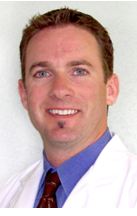
Bret Ellington L.Ac MSTOM,
HHP
|
DO YOU SUFFER FROM CHRONIC PAIN?
WANT TO RECOVER FROM SURGERY FASTER?
ARE YOU TIRED OF TAKING MEDICATION?
HAVING TROUBLES WITH FERTILITY?
Inner
Balance Acupuncture is the premiere
acupuncture clinic for acupuncture in Orange County.
We specialize in pain management, post-surgical rehabilitation,
women's health and infertility
|
|
|
|
|
|
CALL 949-235-9494 FOR YOUR FREE
CONSULTATION
If
you're tired of living with pain, being on medications, and you
want to get natural relief that works, you've come to the right
place. We've helped many people who have been through all the
Western Medicine treatments and had lost hope. You don't have
to live in pain anymore. Through
acupuncture
and
Chinese herbs
we can help you get your life back.
At
Inner Balance Acupuncture, we offer you a special place of
healing. It’s a state-of-the-art acupuncture center,
conveniently located in Lake Forest, where you can discover
treatment for pain relief, wellness, and inner peace. You may
feel like your life has gotten off track and now you're
suffering from insomnia,
weight gain,
lack of motivation and/or anxiety. These conditions can put
undue stress on your body and mind. These problems may even
lead to
infertility.
Whatever your health goals are, we are motivated to help you
reach them.
|
We
help you heal through a variety of modalities including:
|
The major benefits of
Acupuncture and Chinese Medicine: |
-
Acupuncture
-
Electro-Acupuncture
-
Herbal therapies
-
Nutritional supplements
-
Fire cupping
-
Massage (tui na)
-
Heat therapy
-
Qi
gong
-
Dietary/lifestyle coaching
|
-
Drug-free pain relief
-
Assists prevention against disease
-
Treats the cause as well as the symptoms
-
Holistic approach to illness, linking body, mind and
emotions
-
Effectively treats many common ailments, without
side effects
-
Strengthens the immune system
|
When
you visit Inner Balance Acupuncture, you can expect a treatment
plan that is customized for your individual health needs and
goals, whether your goal is pain management, fertility,
overcoming
chronic fatigue
or make permanent changes to improve the quality of your life.
Inner Balance Acupuncture Clinic provides a gentle, nurturing
and natural approach to building a stronger, more healthy you.
Our
goal at Inner Balance Acupuncture is to help you realize, set,
and achieve your health goals. We want you to feel the best you
have in years and, as one of the premiere Pain Management
acupuncture centers in Orange County, we can get you there. The
clinic is easily accessible for north and south Orange County
for
acupuncture in Lake Forest. Call 949-235-9494 for your
appointment today.
Workers Comp and Personal Injury
Cases Welcome
Most Insurance Accepted
Diseases
and Conditions Treated by Chinese Medicine and Acupuncture
According to the World Health Organization and the National
Institute of Health, acupuncture can effectively treat a wide
array of acute and chronic diseases, as well as providing
preventative care. Here are a few commonly treated diseases and
conditions:
|
Supportive Acupuncture
Treatment for Fertility and Pregnancy
Gynecological
Genitourinary Disorders
-
Endometriosis
-
Menopause
-
Premenstrual syndrome (PMS)
-
Irregular, heavy or painful menstruation
-
Fibroids
-
Chronic bladder and urinary tract infections (UTI)
-
Postpartum rejuvenation
-
Kidney stones
-
Impotence
-
Sexual dysfunction
Dermatological
Disorders
-
Acne
-
Eczema
-
Cosmetic Acupuncture
-
Rosacea
Emotional and
Psychological Disorders
-
Anxiety and Panic Attacks
-
Insomnia and Sleep Disorders
-
Depression
-
Stress
Eye, Ear, Nose, Throat
Disorders
-
Allergies and Sinusitis
-
Sore throat
-
Hay fever
-
Earache
-
Nerve deafness
-
Ringing in the ears
-
Dizziness
-
Poor eyesight
Gastrointestinal
Disorders
-
Irritable bowel syndrome (IBS)
-
Spastic colon
-
Colitis
-
Constipation
-
Diarrhea
-
Food allergies
-
Ulcers
-
Gastritis
-
Abdominal bloating
-
Hemorrhoids
|
Addiction
-
Smoking cessation
-
Drugs
-
Alcohol
-
Eating Disorders
Musculoskeletal and
Neurological Disorders
-
Arthritis
-
Headaches and Migraines
-
Sciatica
-
Back pain
-
Stroke
-
Tendonitis
-
Stiff neck
-
Bell's palsy
-
Trigeminal neuralgia
-
Neuralgia
-
Bursitis
-
Cerebral palsy
-
Polio
-
Sprains
-
Muscle spasms
-
Shingles
Circulatory Disorders
-
High blood pressure
-
Angina pectoris
-
Arteriosclerosis
-
Anemia
Immune Disorders
-
Candida
-
Chronic fatigue
-
HIV and AIDs
-
Epstein Barr virus
-
Allergies
-
Lupus
-
MS - Multiple Sclerosis
-
Hepatitis
Respiratory Disorders
-
Asthma
-
Emphysema
-
Bronchitis
-
Colds and Flu
Miscellaneous
|
To
set up an appointment or get you free consultation, please call
949-235-9494 today.
www.innerbalanceacupuncture.com
|
|
|
|
|
Pamela Jacobson, LAc, Dipl OM
The Healing Sanctuary
18121 Irvine Blvd.
Tustin, CA 92780
714-813-6101
www.TheHealingSanctuaryOC.com
Peter C. Yoon, L.Ac.
1781 W. Romneya Dr., Suite I
Anaheim, CA 92801
714-535-3668
www.acupuncturephile.com
Steven
Piao, L.Ac, Ph.D
TCM Institute USA
9828 Garden Grove BL, #205
Garden Grove, CA 92844
714.638.8658
Reza Tafazoli, M.S.O.M, L.Ac.
Irvine Acupuncture
2500 Alton Pkwy, Suite 110
Irvine, CA 92606
949.679.4111
www.MyIrvineAcupuncture.com
Ella Ashabi
Acupunture Healing Clinic
1638 E.17 St. #A
SANTA ANA , CA 92705
714.543.1638
www.drashabi.com
Add your
business here |